Biological mechanisms
Why do microbes survive, adapt, grow, recover or express particular functions?
How do microbial mechanisms, experimental evidence and prediction come together to explain when control strategies will work — and when they may not?

A microbial result is only the starting point. Understanding its biological origin, evaluating the strength of the evidence and testing its transferability provide a stronger basis for assessing process performance.
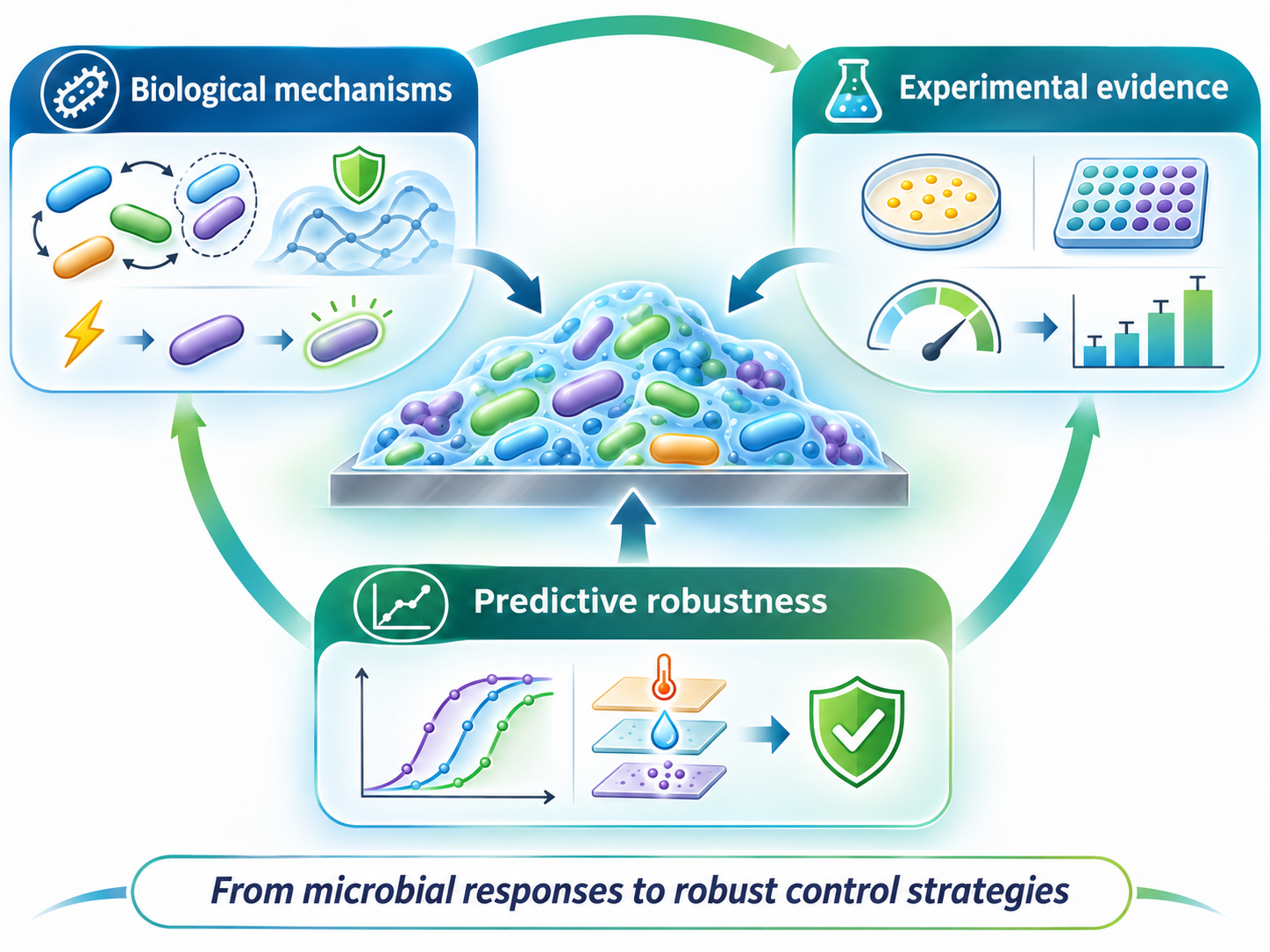
Why do microbes survive, adapt, grow, recover or express particular functions?
What do the measurements actually demonstrate? Which explanations remain possible?
Do conclusions remain reliable when the matrix, process or environmental conditions change?
These are not three separate services. They are complementary ways to distinguish what is understood, what remains uncertain and which conclusions can be transferred responsibly.
Microbial control can mean preventing persistent contamination, maintaining food stability or guiding desirable microbial activity. The biological objectives differ; the need for sound interpretation remains.
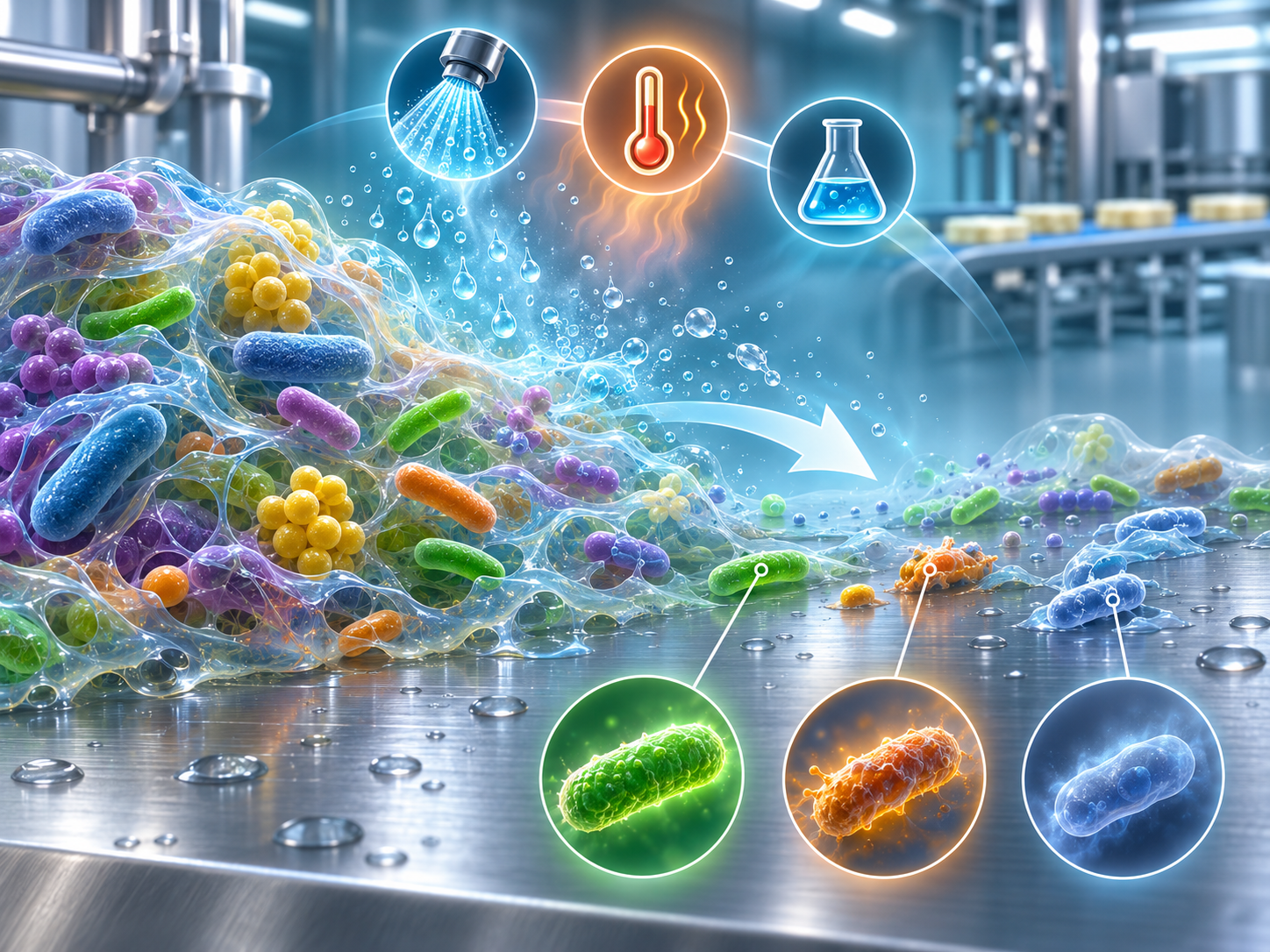
Beyond immediate reductions: effective exposure, survival, recovery and persistence.
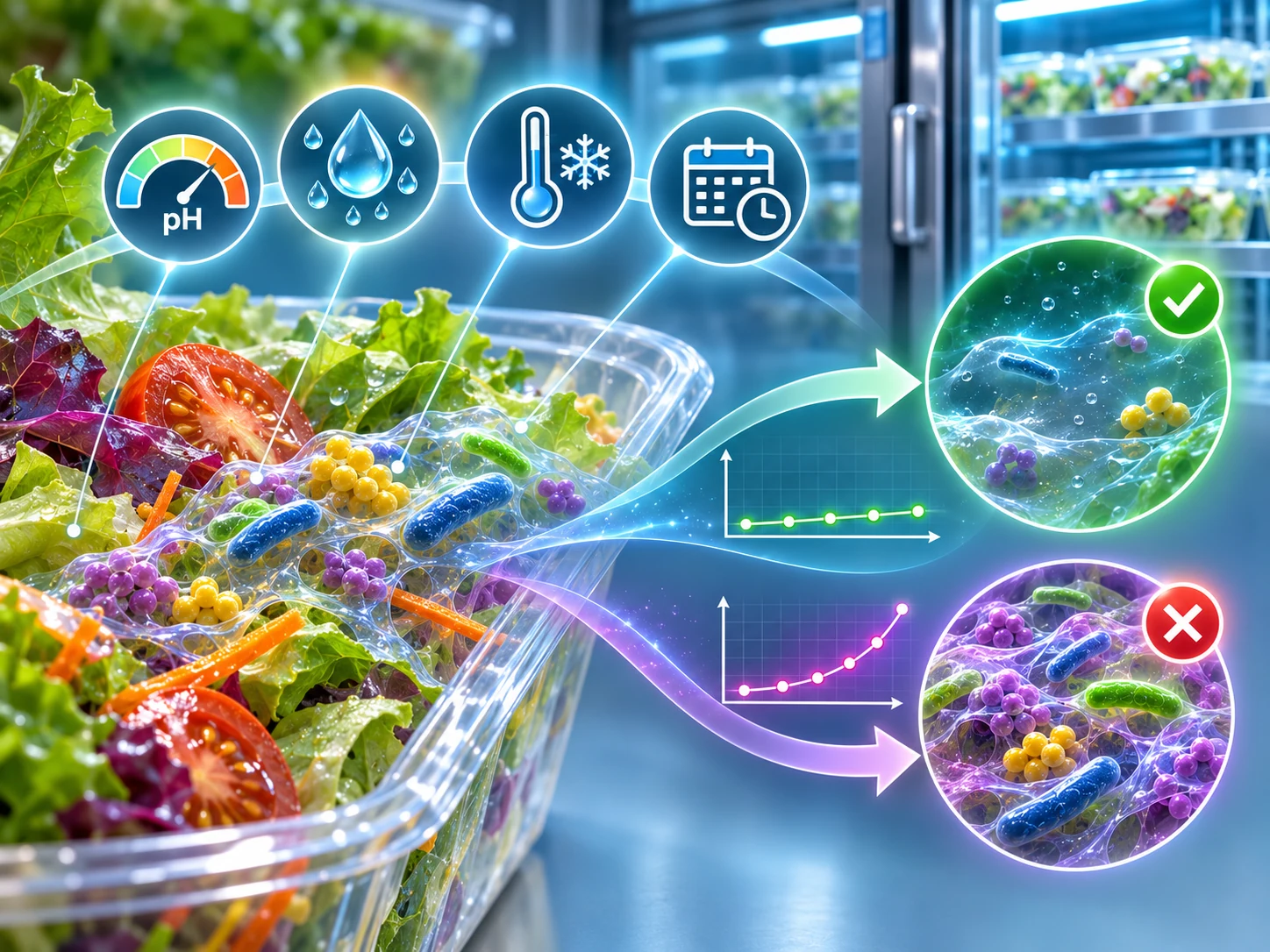
When do product characteristics and storage conditions constrain—or permit—growth?
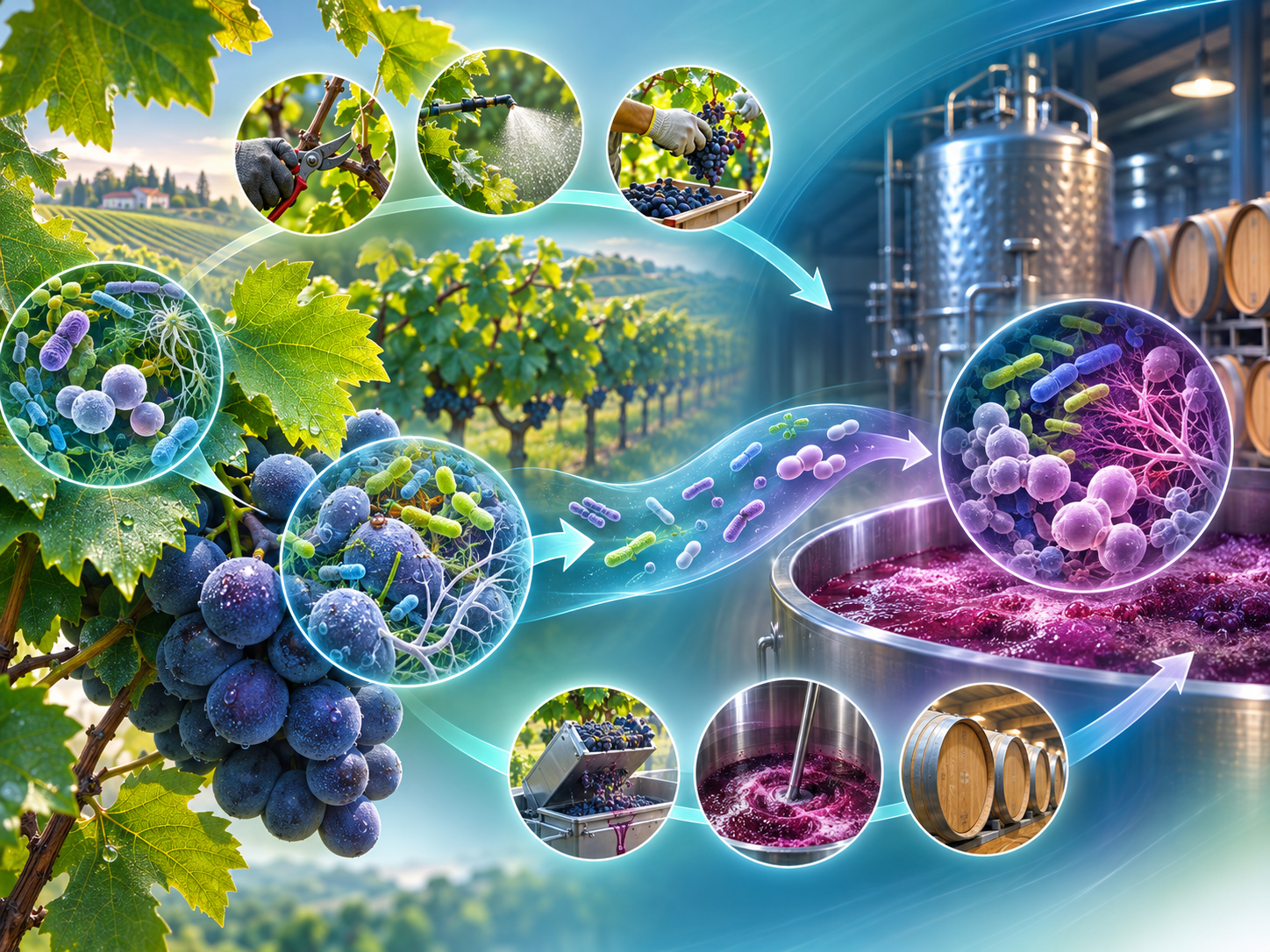
How do microbial interactions and changing conditions shape desirable and undesirable functions?
Four peer-reviewed contributions connect microbial ecology, biological responses and process evaluation. These publications reflect the scientific background informing µX Process, not research performed under this initiative.
Biofilm decontaminationExamines how microbial organization, experimental conditions and post-treatment dynamics influence conclusions about sustained control.
Journal article · DOI ↗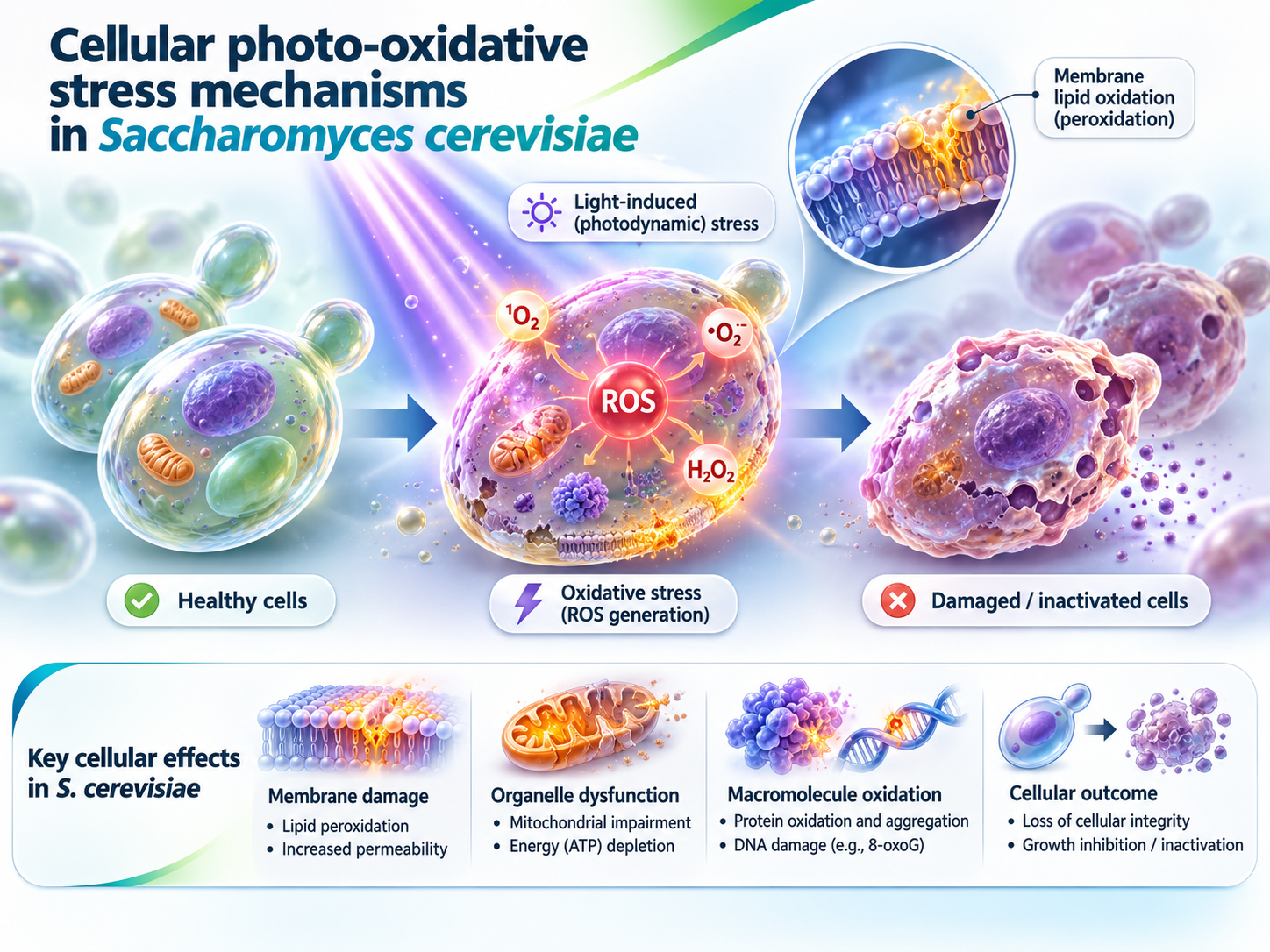 Cellular mechanisms
Investigates cell-scale photo-oxidative stress mechanisms, from ROS generation to membrane damage and yeast inactivation.
Journal article · DOI ↗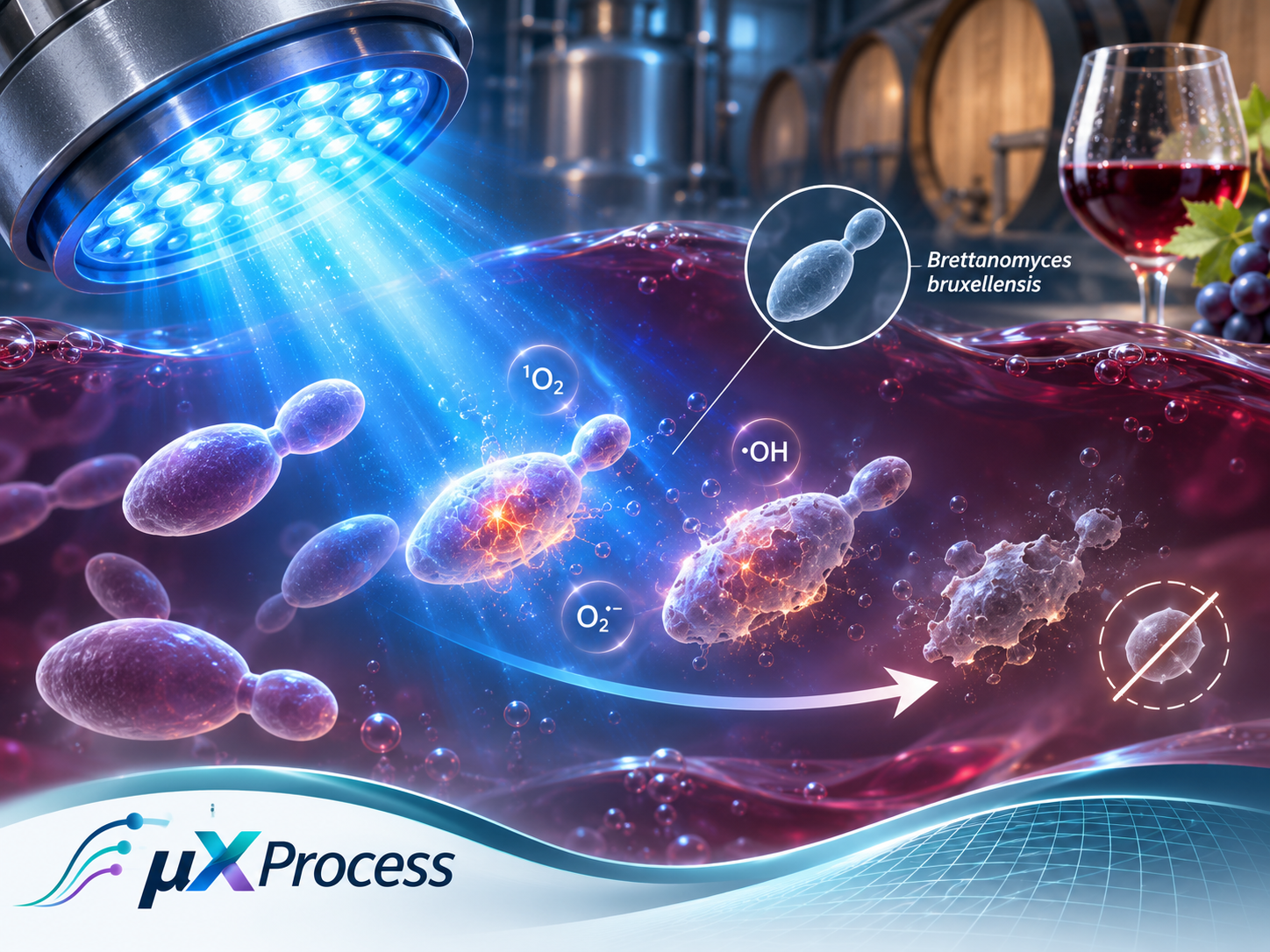 Process performance
Examines how ultra-high irradiance blue light affects Brettanomyces bruxellensis, linking technological treatment to microbial inactivation.
Journal article · DOI ↗Microbial ecologyShows how vineyard management and winery operations shape microbial communities and downstream fermentation-associated outcomes.
Journal article · DOI ↗Explore eight selected publications, grouped by the scientific questions they address.
Explore the publicationsAuthorship, journal records and institutional affiliations remain those of the original publications. The selection is not presented as the output of an operating µX Process laboratory or consultancy.
µX Process is an independent scientific initiative developed by Cédric Grangeteau, informed by research experience in food and wine microbiology, microbial communities, biofilms and the evaluation of microbial control processes.
Its purpose is to connect mechanistic understanding, critical evaluation of experimental evidence and predictive approaches, rather than treat them as separate disciplines.
The initiative is in development. This site presents a scientific perspective and background, not an operating analytical laboratory or established consultancy.
From microbial responses to
robust control strategies.
Questions and scientific exchanges on microbial responses, experimental evidence and process performance are welcome.
µX Process · Scientific initiative